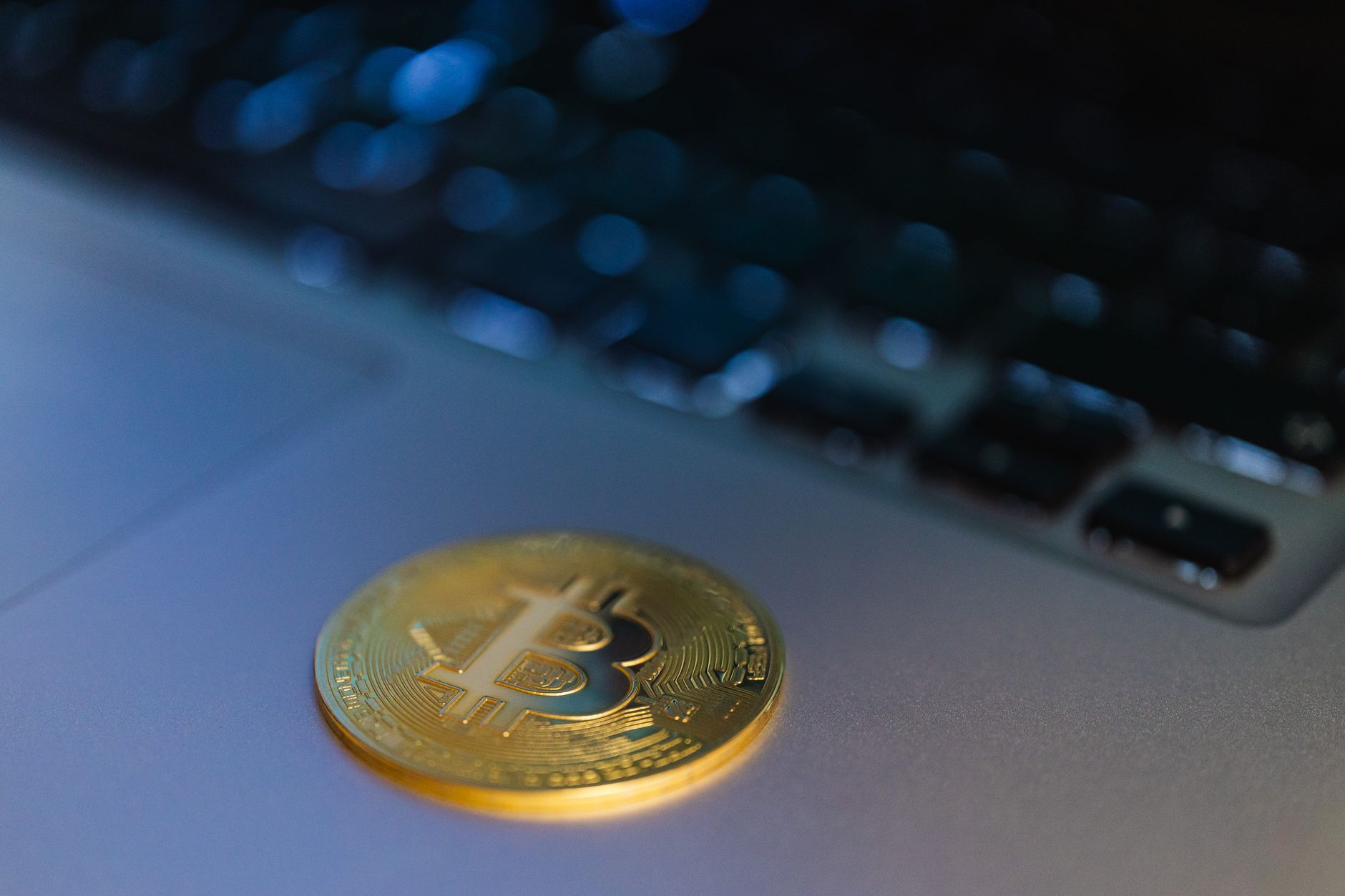
Funding Your Fun: Step-by-Step Bitcoin Deposit Guide & Common Hurdles
Navigating the world of Bitcoin deposits for online gaming or other digital services doesn't have to be daunting. This section breaks down the process into easily digestible steps, ensuring you can fund your fun with confidence. Typically, the journey begins with acquiring Bitcoin from a reputable exchange like Coinbase or Kraken, followed by setting up a secure digital wallet (hot or cold). Once you have your Bitcoin and wallet ready, you'll simply generate a unique deposit address from your chosen platform, copy it, and paste it into your wallet's 'send' function. Always double-check the address before confirming the transaction to avoid irreversible errors. We'll also cover essential security tips to safeguard your digital assets throughout this process, making your Bitcoin experience smooth and secure.
While Bitcoin deposits offer unparalleled speed and privacy, users can occasionally encounter a few common hurdles. Understanding these can help you troubleshoot effectively and avoid unnecessary delays. One frequent issue is
- Verifying addresses multiple times.
- Understanding typical network confirmation times.
- Checking platform-specific deposit policies.
By being prepared for these potential roadblocks, you can ensure a seamless and enjoyable Bitcoin deposit experience.
Crypto casino games offer a thrilling and innovative way to gamble online, utilizing blockchain technology for enhanced security and transparency. Players can enjoy a wide array of crypto casino games, from classic slots and table games to provably fair options. These platforms often provide instant deposits and withdrawals, along with exciting bonuses tailored for cryptocurrency users.
Beyond the Basics: Understanding Transaction Fees, Confirmation Times, and Security Best Practices
While the fundamental concept of cryptocurrency transactions might seem straightforward, a deeper dive reveals crucial nuances that significantly impact user experience and the overall efficiency of blockchain networks. Transaction fees, for instance, are not static; they fluctuate based on network congestion, the size of your transaction, and the specific blockchain you're utilizing. Higher fees often translate to faster confirmation times, as miners prioritize transactions offering greater rewards. Understanding this dynamic is vital for users aiming to balance cost and speed. Furthermore, different blockchains employ varying consensus mechanisms, directly influencing these factors. For example, Proof-of-Work chains like Bitcoin generally have higher fees and longer confirmation times compared to some Proof-of-Stake alternatives, presenting a critical consideration for both individual users and businesses integrating crypto payments.
Beyond the immediate concerns of fees and speed, security best practices form the bedrock of responsible cryptocurrency usage. Navigating the decentralized landscape requires a proactive approach to protecting your digital assets. This includes utilizing
- strong, unique passwords for all exchange accounts and wallets,
- enabling two-factor authentication (2FA) whenever possible,
- and being highly skeptical of unsolicited communications or phishing attempts.